The lectin-free diet: far from deprivation

Recently I received an email from a friend who had read my blog posts about lectins: The Lectin-free experiment, the Lectin-free experiment 2, and Lectin-free cooking and commented “I was marveling at the discipline of switching to a lectin-free diet. We like all kinds of food too much to give up favorite elements of it. I guess we strive for “healthy food in moderation,” which probably sounds better in theory than its real-life application turns out. If we thought about it, we’d probably also subscribe to the popular rationalization that so much of health is dictated by DNA rather than diet. In any case, we can only admire folks like yourselves who can live without things that just plain taste good.”
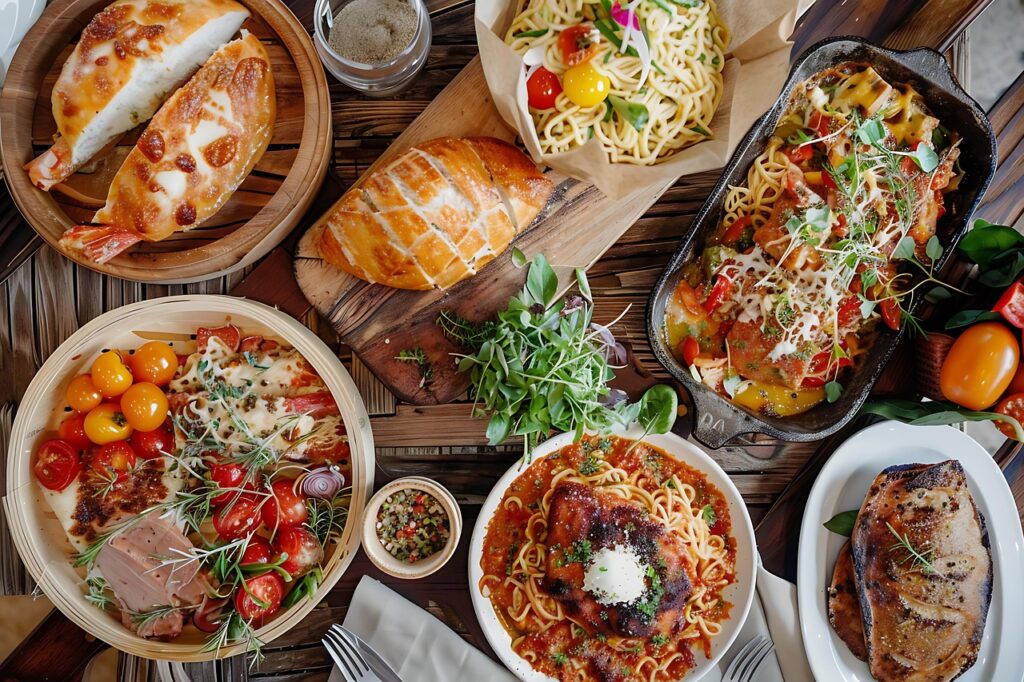
Wait a minute – we’re not living without things that “just plain taste good”! In fact, I think we’re having better-tasting foods than ever before, now that I’m trying new recipes and new combinations of foods. Here, for example, is what we ate yesterday:

Breakfast: hard boiled eggs* and homemade blueberry muffins*.

Lunch: Coconut wraps filled with tuna*, avocado, red onion, shredded carrots, sprouts, and Ranch dressing. Plus pickles* and our favorite drink – Pellegrino with a splash of balsamic vinegar (so good!)

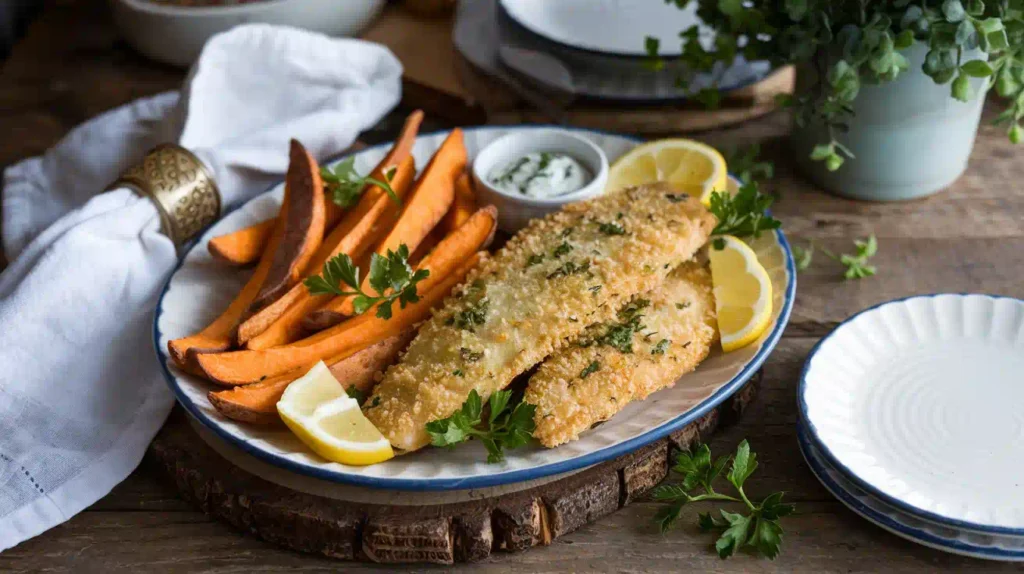
Dinner: Butter-garlic broiled cod* with roasted broccoli and sweet potato fries served with a sour cream-mustard/honey/lemon sauce. Vanilla coconut yogurt and fresh raspberries for dessert.

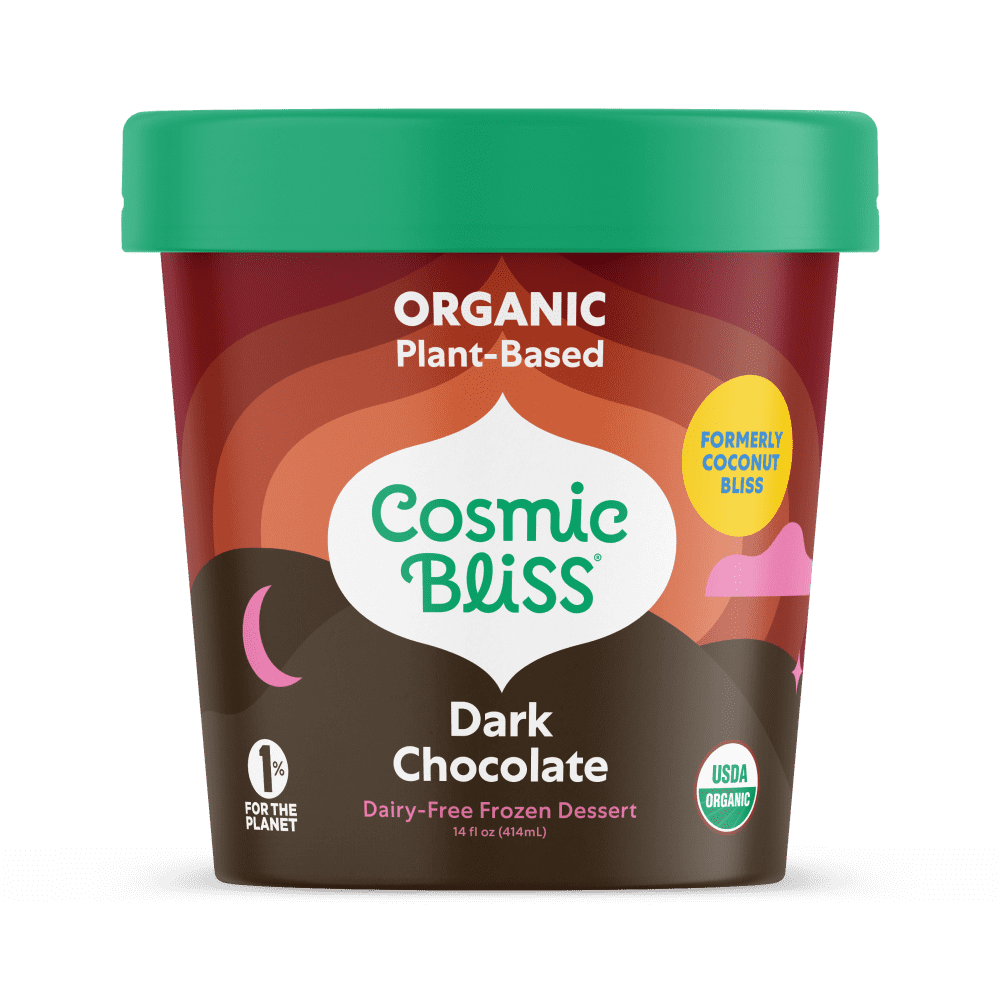
lt all tasted good to us. Today we had hard boiled eggs again for breakfast (our favorite) with yogurt strawberry/banana shakes. For lunch we’ll have cheese* quesadillas* with radishes and green onions and probably more Pellegrino/balsamic drinks as well as a dessert of apples and almond butter. For dinner it’s chicken* and mushrooms with millet and a salad of mixed greens, red onions, and shredded carrots and then chocolate coconut ice cream (below is our favorite) for dessert.
Looking forward to it all. Deprived? Hardly. And the bottom line: I no longer have the health issues that plagued me for so long, even though I thought I was eating a healthy diet. I did some research and decided to experiment. By avoiding certain foods and substituting others that were non-inflammatory, I feel healthier now – despite my increasing years – than when I was younger.

*okay, there are substitutions here: all fruits and vegetables are organic, but I’ve been using those for years; the eggs are pasture-raised, as is the chicken; the cheese is goat cheese; the pickles are fermented: the quesadillas are made of gluten-free almond; and the fish is wild caught. Why? You’ll have to read my other posts on lectins 🙂

Meanwhile, coming up tomorrow for dinner is spaghetti and meatballs with salad and garlic bread. (Gluten-free pasta, gluten-free baguettes, and grass-fed beef – and yes, there now are delicious gluten-free pastas and breads. Maybe I’ll give a list of my favorite brands in another post.)

Here’s to your health – bon appetit!

Lectin-free cooking: beginnings

I didn’t begin the right way. When I headed off on my lectin-free cooking adventure, I hadn’t read Dr. Steven Gundry’s “The Plant Paradox.” If I had, I would have discovered his three-phased approach to this diet.

Instead, I simply found his “Yes” and “No” lists, copied and carried them with me to the grocery store and used them to choose my produce. Then I decided what to make for breakfast, lunch, and dinner. Advice: read “The Plant Paradox” first.

Continue reading “Lectin-free cooking: beginnings”

The lectin-free experiment, part 2

It’s been about nine months now since we started this experiment, and several months since my last post about how and why we began, but after eating this new way for most of the year, I can say with certainty that we’ll never go back to “the way it was.”

Not that this new diet doesn’t come with its drawbacks, most notably in the area of eating out, whether at restaurants or at the homes of friends, which can be challenging. Being “gluten free” had its challenges, too, such as the lure of French or Italian baguettes and “real” pasta (in which case I usually indulged and simply ached in my joints for a few days afterwards), but being “lectin free” means, in addition, trying to avoid dishes containing ingredients such as white potatoes, tomatoes, eggplants, cucumbers, peppers, and other potential gut disruptors.

Continue reading “The lectin-free experiment, part 2”

The lectin-free experiment

Something was wrong. I was eating a totally organic, gluten-free diet of fresh fruits, vegetables, free-range chicken, and wild caught fish. No fast foods, no packaged foods. I made almost everything from scratch. But after meals, I often was bloated. Why? Did I have irritable bowel syndrome? Or “leaky gut”? Bloating would indicate one of those.

So I started poking around the internet, investigating both IBS and leaky gut and reading articles. I didn’t “check with my doctor,” as my own experience told me that all roads starting from that source inevitably lead, after multiple tests, to one or more pharmaceutical drugs – something I definitely wanted to avoid. I didn’t want to put a band-aid on my situation, but find out what was causing it.

Continue reading “The lectin-free experiment”

The pursuit of health, part 2

In 1962 Rachel Carson published her book “Silent Spring,” which detailed the effects of DDT and other pesticides on wildlife, the natural environment, and humans. Many years after its publication I read that book and began wondering if some of my health problems were due to the widespread use of these pesticides in conventional farming.

Becoming interested in the foods we were consuming led me to Adele Davis, now considered the most famous nutritionist in the early to mid-20th century. Her books praising the value of natural foods and criticizing the diet of the average American include “Let’s Cook it Right” (1947), “Let’s Have Healthy Children” (1951), “Let’s Eat Right to Keep Fit” (1954), and “Let’s Get Well” (1965).

Continue reading “The pursuit of health, part 2”

The pursuit of health

My health problems began as an infant, starting with the DPT shot (otherwise known as Diptheria-Pertussis-Tetanus) I received as part of the usual childhood round of vaccinations. My parents tell me I was immediately rushed to the ER with breathing problems. They didn’t know if I’d survive.

Fortunately, here I am, but not without a history of physical problems along the way, such as allergies and asthma, acne, and migraines.

Continue reading “The pursuit of health”